Archive for the ‘Uncategorized’ Category

The Summer School Teens Hit OxGrow

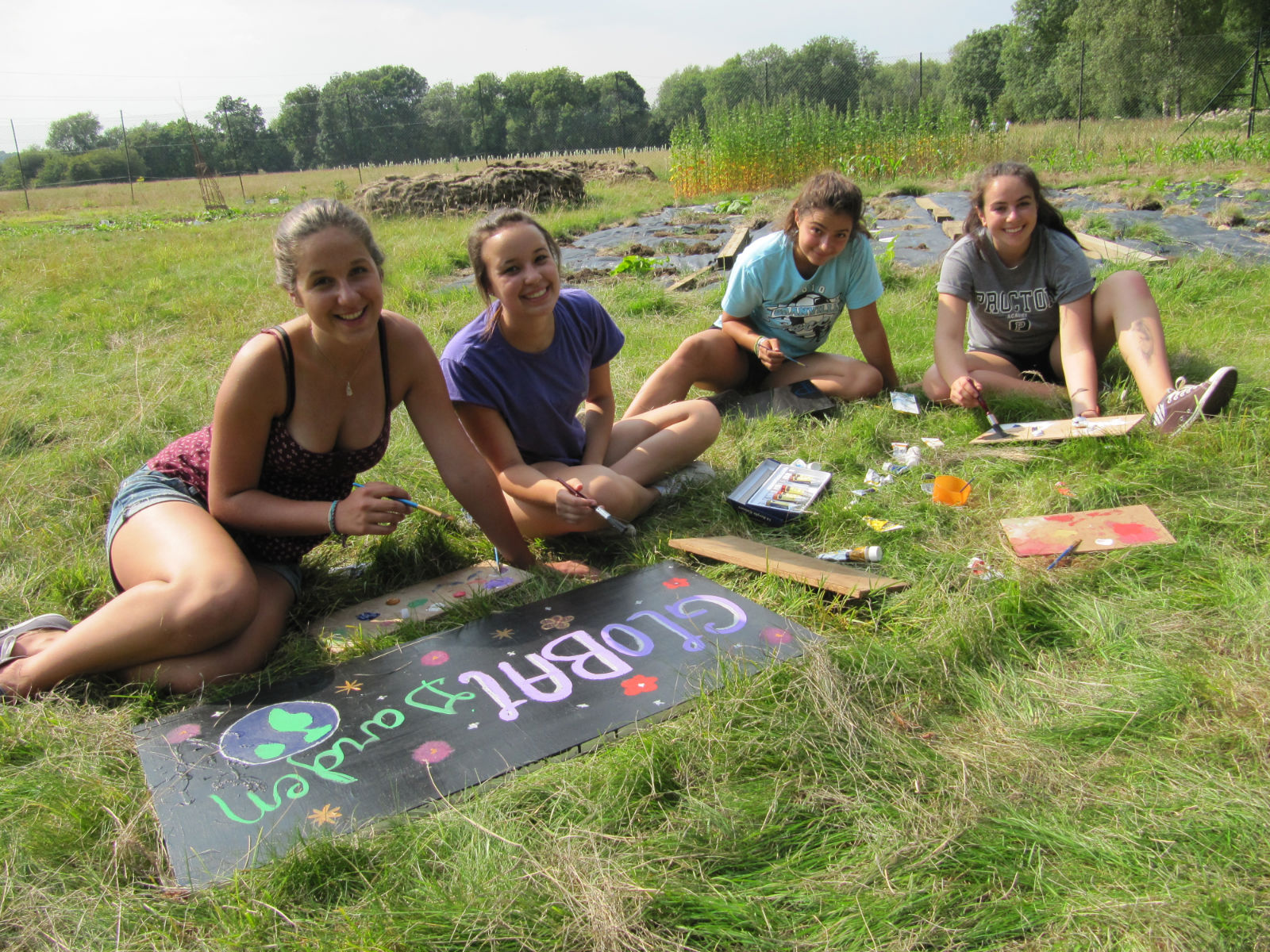
"Global Garden"

On July 28th, 20 international students who are attending summer classes with Oxford Tradition, part of the Oxbridge Academic Programs, came down to the garden for an afternoon of work. The sun was shining and we had to be careful to keep ourselves hydrated, but we had a wonderful – and wonderfully productive -afternoon: digging a new bed, designing and creating three triangle no-dig beds, planting our “self-seeding pentagon” garden, painting beautiful signs, tidying existing beds, weeding the squash and melons, weeding the strawberries and beans, (eating the strawberries and peas!), weeding the tomatoes, pruning the tomatoes, fetching compost, watering, harvesting peas, staining the bench, fixing the fence, you name it!  Big thanks to everyone who came out, to the facilitators, and  to the photographers.  It was great fun to trade gardening tips from different countries and dream of the different plants we’d like to try growing – kiwi, anyone?  Hopefully the afternoon sowed the seeds for new edible community gardens in towns around the world!  Thanks again, students. Keep in touch, and come on down to Oxgrow when you’re next in town. – Rosanna

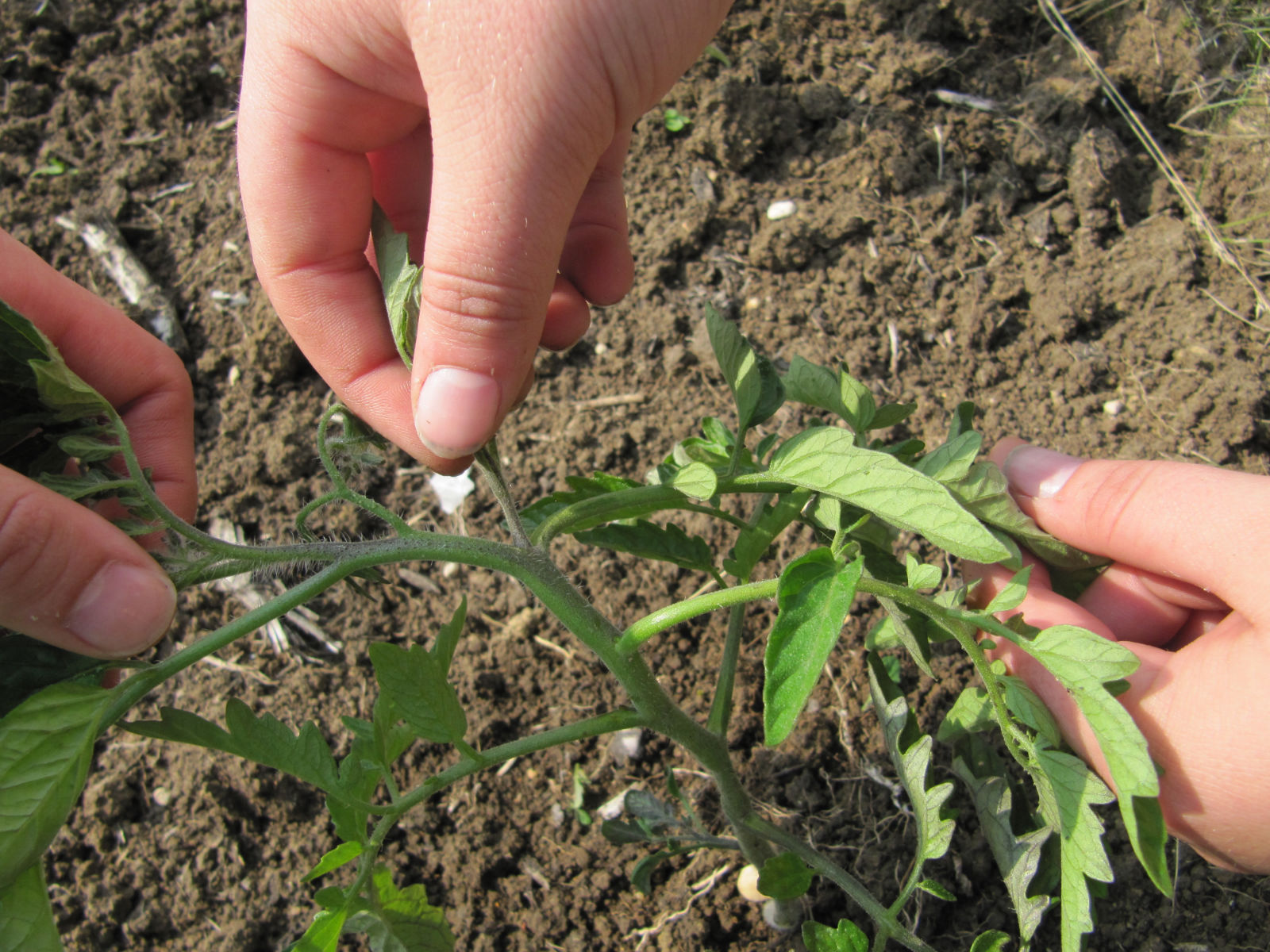
How to prune a tomato: pluck off the shoot that grows between the leaf and the stem. As demonstrated.

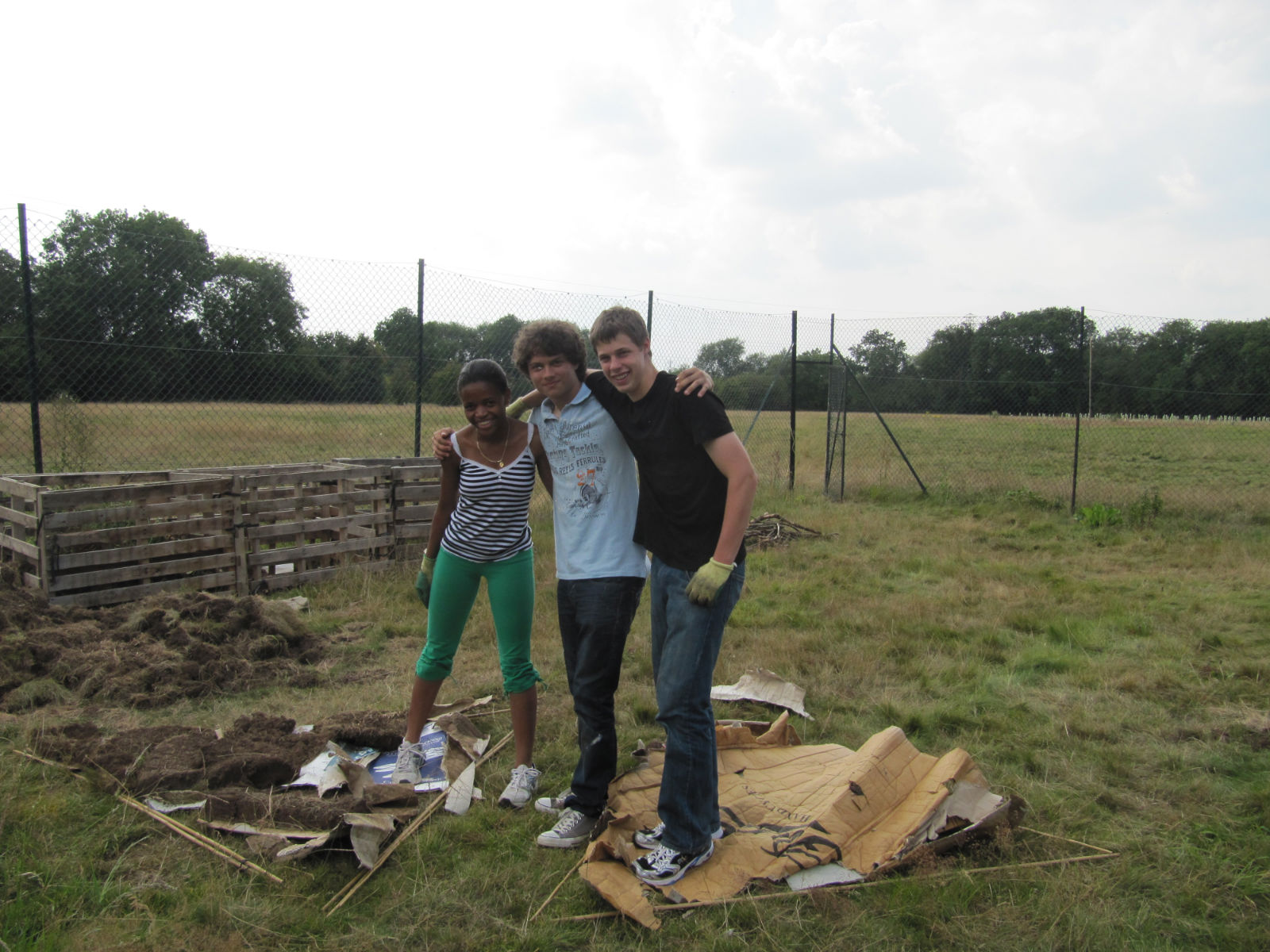
Making a "no-dig" bed: first cardboard, then turf, then compost, seeds, water, sun, go!

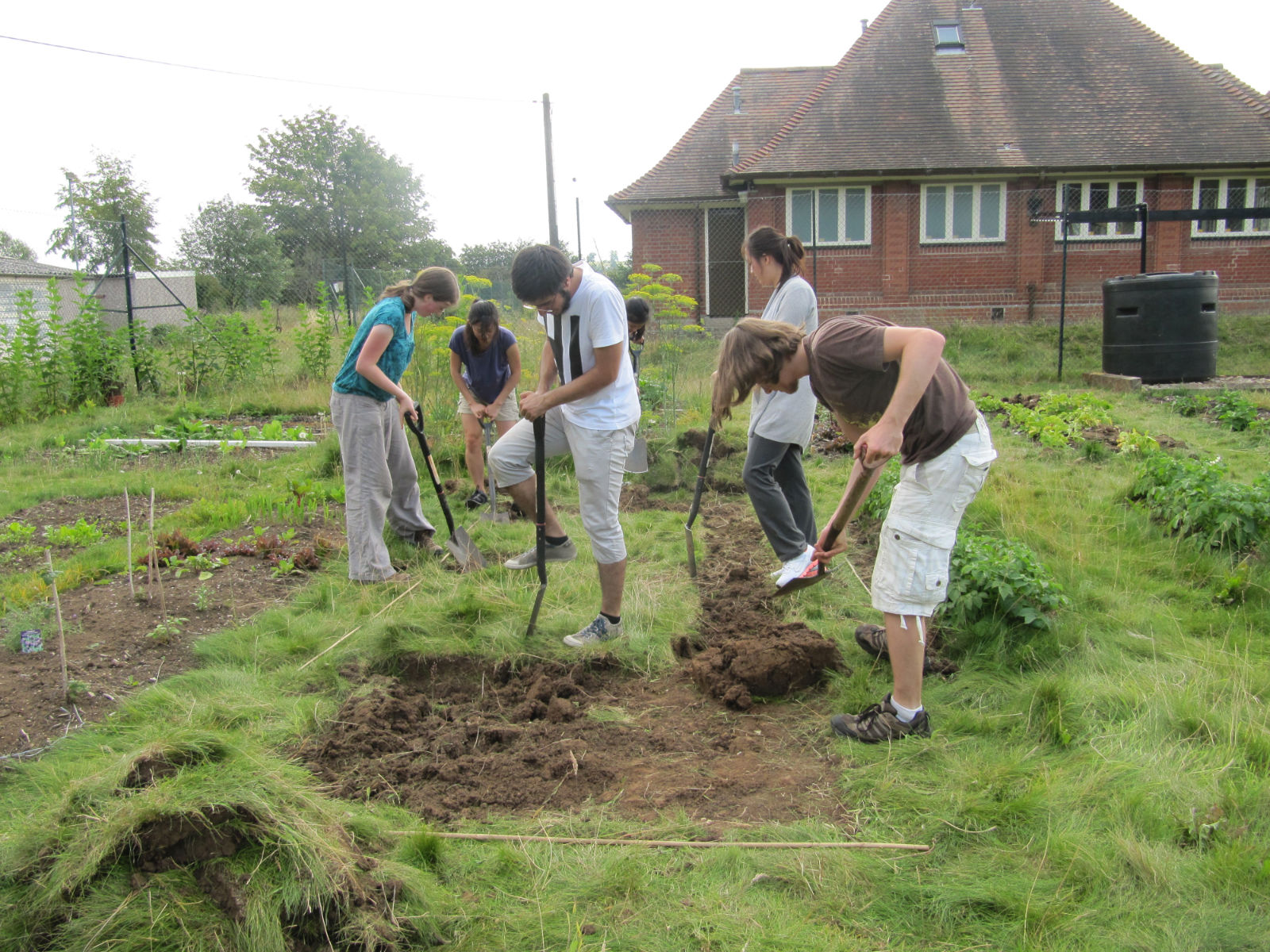
Digging a garden bed!

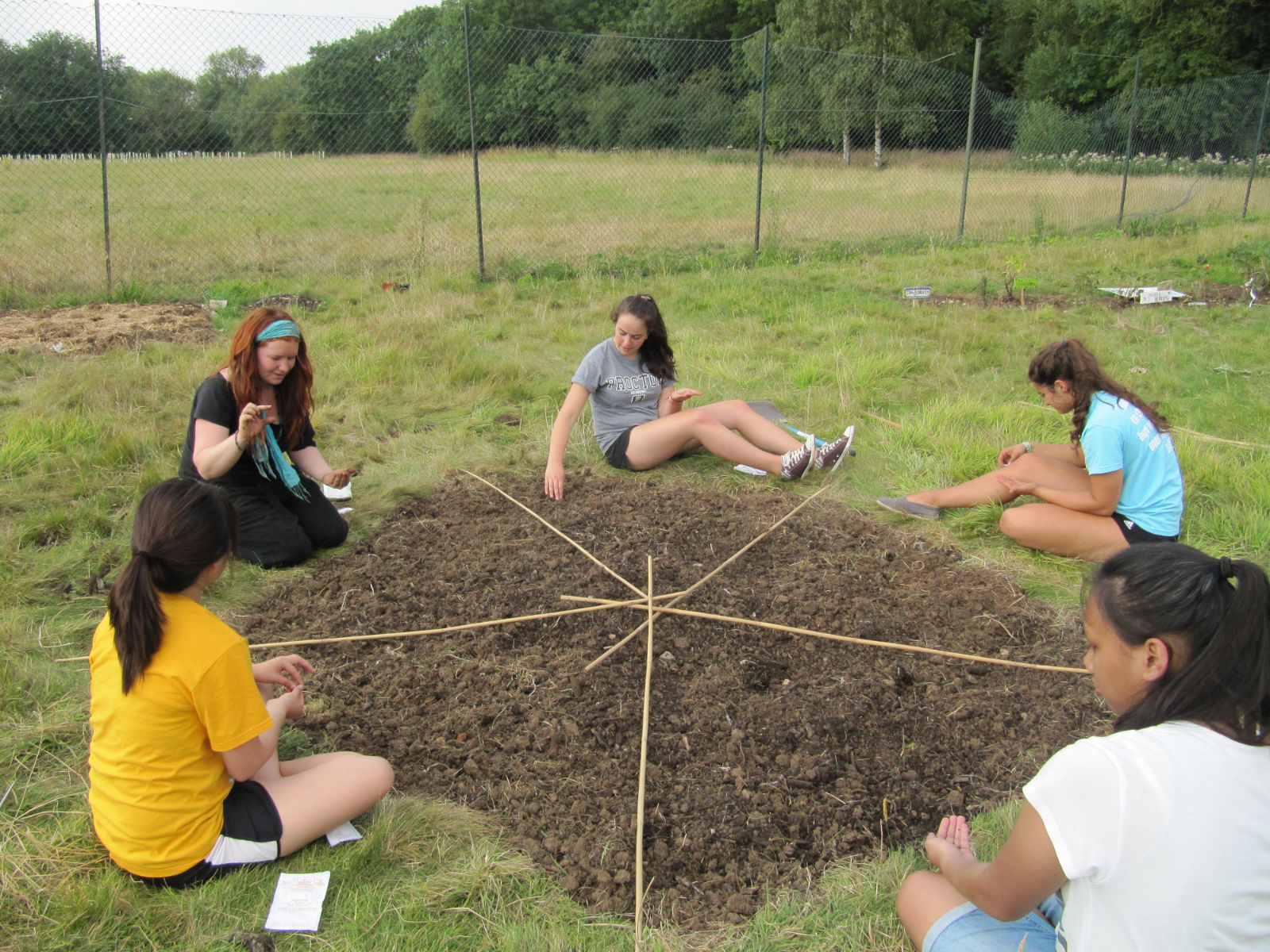
A self-seeding pentagon: instead of sowing new seeds each Spring, this one is low maintenance!

Hurray for Summer!

Pumped Up

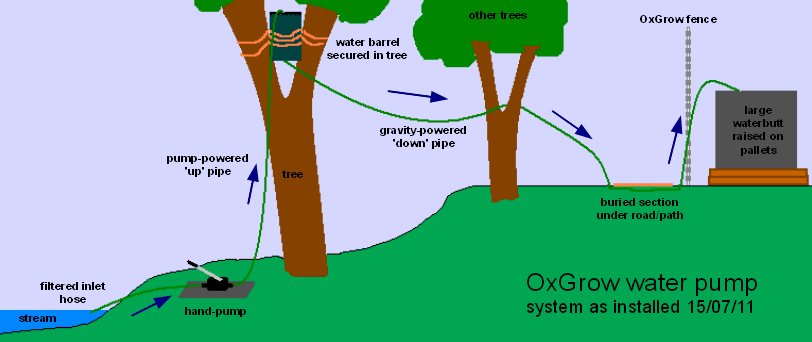
Good news. After a few weeks of work, OxGrow now has a fully-functioning hand-powered water-pump. We can pump water from the stream directly into the waterbutt on site, without needing to carry heavy buckets around.

It was an awesome bit of engineering and problem-solving, using a whole range of skills (designing, making, tree-climbing, research, scavenging, transport, pumping, etc). None of us had done anything like this before, so we all learned a lot by doing it.


We’ve got a few other pump ideas and prototypes still around. If anyone is up for helping out with these, and trying to make something more efficient or more fun, please feel free to try.

How it works…

A diaphragm bilge-pump (Patay Skipper SD60) pumps the water into a 50-gallon waterbarrel suspended in a tree. The waterbarrel is connected to the 400-gallon waterbutt in the garden, and the water flows down into the larger waterbutt.

The main problem we faced was that we had to pump both ‘height’ (about 3 metres) and ‘distance’ (about 60 metres). Due to internal friction in the hosepipe, none of the pumps we tried were strong enough to do both at the same time. We solved the problem by over-doing the height, then using the excess height to make the water move the required distance. In effect, the tree-mounted barrel is a small water-tower, and the pressure of the raised water moves it to the garden.


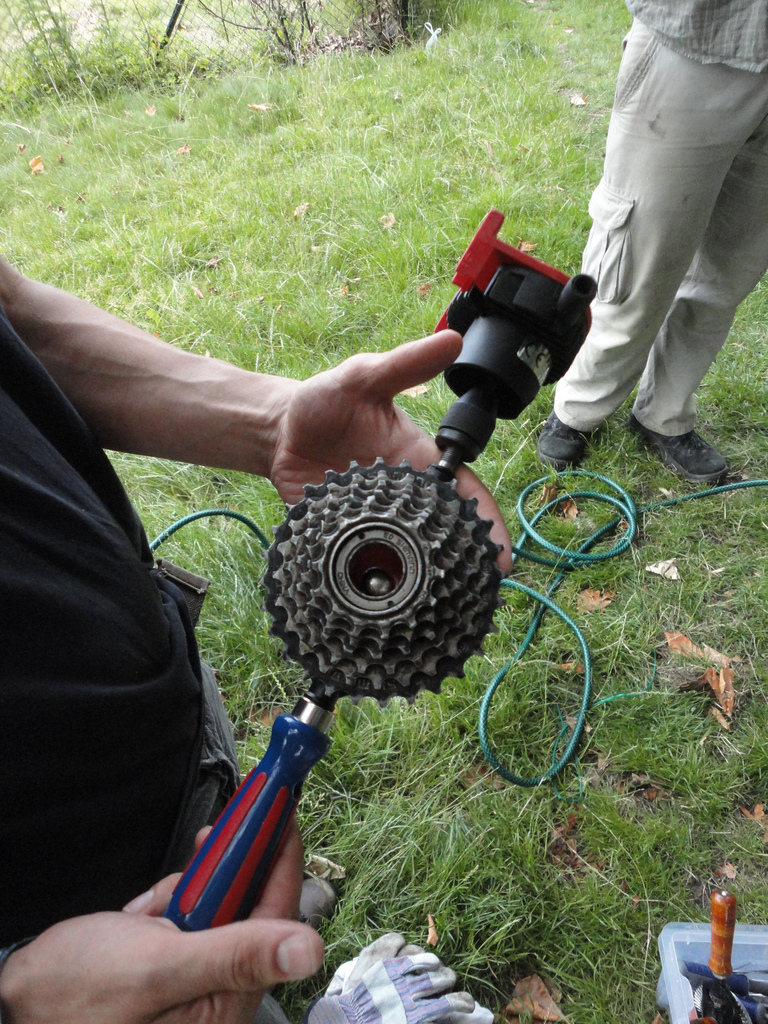
We’d tried various pumps in the last few weeks (drill-powered impeller pump, barrel-pump, rotary impeller pump). Remember this design? And this one? We haven’t given up on these yet, but the successful version so far is a diaphragm-pump. This is a chamber with a valve at each end. When the handle is raised, the chamber fills with water. When the handle is pushed down, the water exits through a valve at the other end.

Come down and check it out!

Jack

Youth Movement

The Rock Corps at work on our new herb spiral

A week of more than normal industriousness this week from Oxgrow…

With the help of technical extraordinaire, Jack, Oxgrow continued development on a bicycle powered water pump (check it out)! The system is not quite yet up and running but Jack assures me the remaining creases will soon be ironed out.

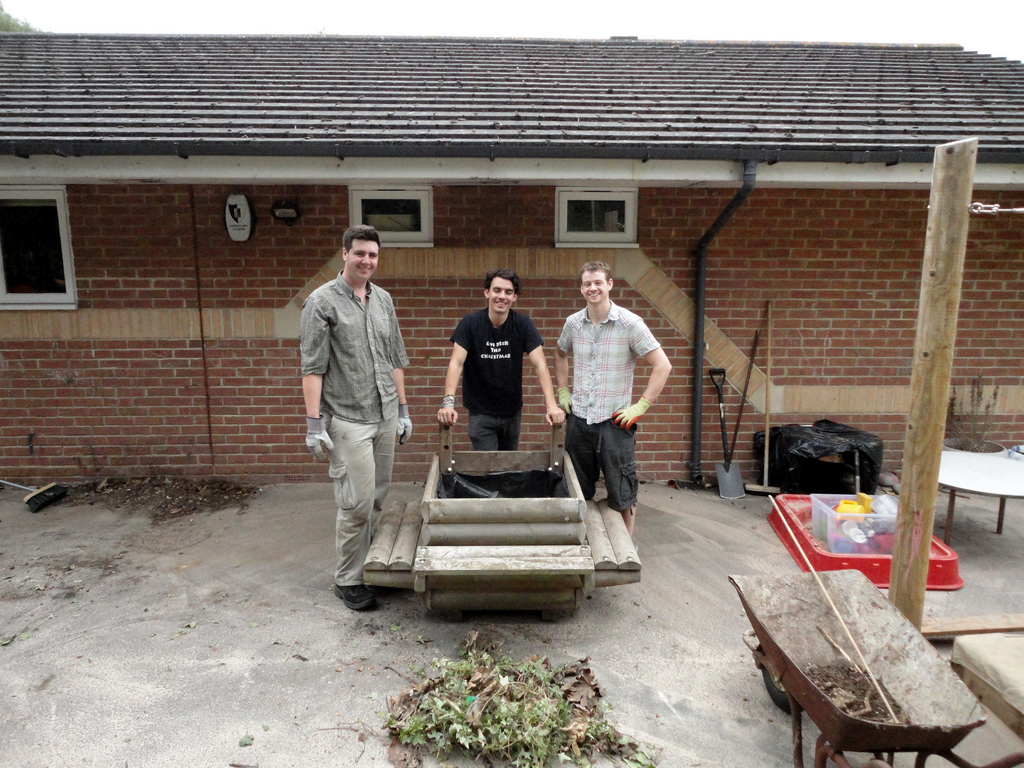
Oxgrow also recruited some heavies via the Student Hub Hubathon that was taking place on Hogacre Common this past weekend. They generously threw themselves into the huge task of bringing across a bench from local Grandpont Nursery. The monolithic beast (consisting of ample seating as well as two large planting beds) was deconstructed and brought across the bridge piecemeal.

With all this technical wizardry and flexing of muscles going on it might be easy to forget the routine tasks such as watering and weeding, jobs taking an ever increasing amount of time as the site expands in size. It’s great, therefore, to have so much willing volunteers down to continue these vital tasks.

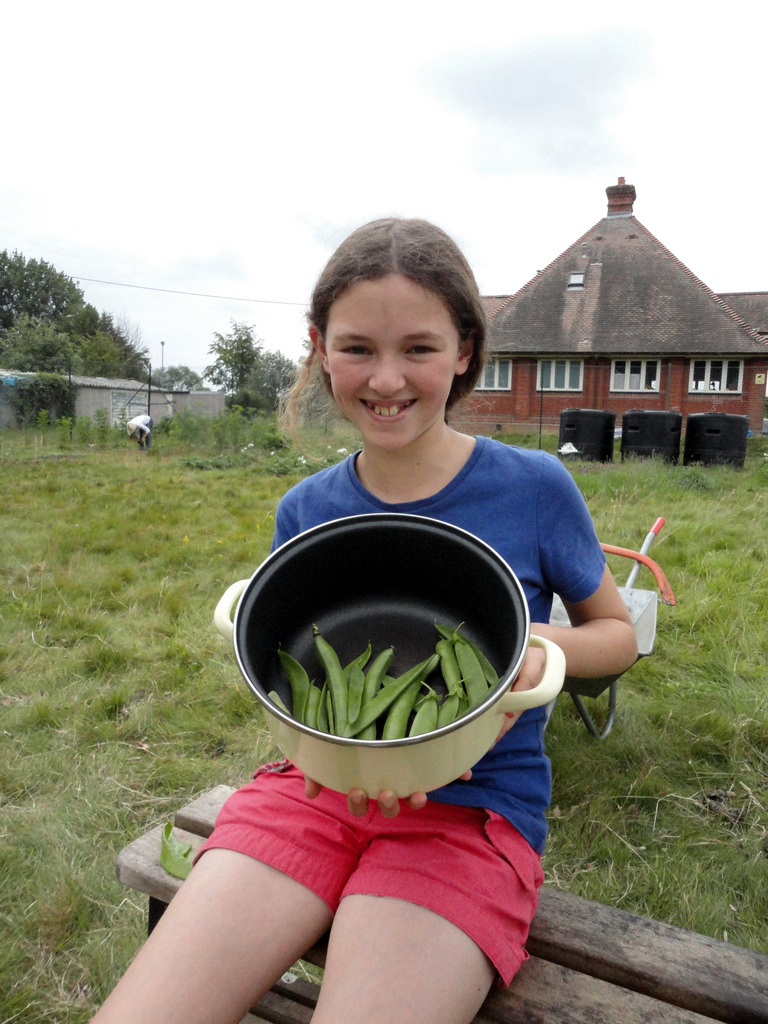
And as our plot expands so do our yields. This week we have been mostly eating turnips and peas.

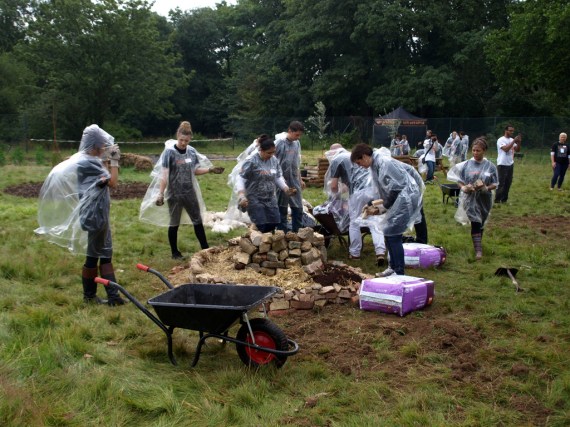
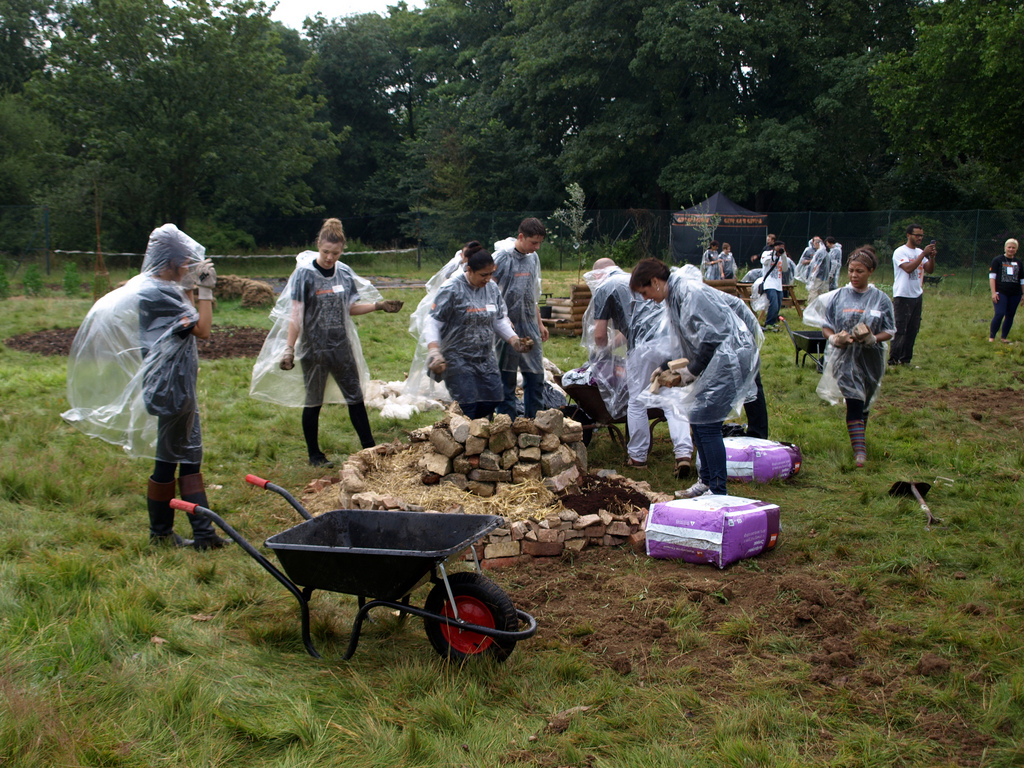
As well as extra help from Student Hubbies this week, we were also delighted to host a Rock Corps young volunteer session down on the site on Tuesday. On a gloriously wet and rainy day we welcomed around 40 volunteers and set them to task on various projects on the site.

Their enthusiasm and efforts were miraculous to behold and at the end we were left with a huge new raised bed (replete with poly tunnel and wooden edging!), a herb spiral, two olive trees, a bed of fruit bushes, and two new picnic benches. All of this was watched over by Rock Corps’ very own DJ, who saw to it that we put some serious rhythm into our spade hits.

For anyone that hasn’t been down to the site in a while you’re in for a real treat next time you come down. As well the usual pat on the back to everyone from Oxgrow who came down we are especially appreciative of the Rock Corps Volunteers who made such an impact in such a short time.

Make sure you come down next week to see what they got done!

Chris

OxGrow Goes Global!

OxGrow volunteer before the Global Garden

At last Sunday’s work-party we launched our much-anticipated Global Garden.

And, oh the irony! Sowing seeds from sunnier climes on the wettest day we’ve had on the site since the mega tree-planting session back in February… But it was by no means a wash-out. OxGrow’s volunteers are unstopppable by even the foulest of storms (except during the tea-break, because we are in England after all).

Our Global Garden is part of the Sowing News Seeds initiative led by Garden Organic, the UK’s organic growing charity. Along with a network of other projects nationwide, we’re branching out from our sturdy old vegetable favourites to experiment with growing some of the absolutely incredible range of crops that can prosper in our soils and climate despite never having been traditionally grown here. Think Jamaica’s pretty different from the Abingdon Road? Think again. We’ve sown rows of Callaloo, a Caribbean leafy green which makes a lovely stew with coconut milk and chili peppers. Bangladesh? We’ve planted methi (fenugreek), a widely-used curry ingredient normally shipped over from Asia. Hailing from closer to home but no more commonly cultivated on these shores, we’ve got root parsley (Germany, Holland, Poland), borlotti beans (Italy), chickpeas (India, Bangladesh, Italy) and even some kidney beans (more commonly found in a tin).

We also sowed many varieties of Japanese, Chinese and Vietnamese veg: Mooli (a Japanese radish), Japanese Parsley, Chinese Chives, Purple Shiso, and a whole host of wacky members of the Brassica family: Vietnamese Mustard, Pak Choi (yellow stem and white stem), Tsoi Sim, Komatsuna, Yukina, and the unlikely-sounding trio of Mizuna, Mibuna and Mispoona! And we added the infamous Shark-Fin Melon (Vietnam, China), immortalised in the film Grow Your Own, to our squash-patch.

And we’ve added a few more South American crops to the Oca and Quinoa already well underway. Our latest addition is Andean Achocha, also known as “Slipper Gourd”, which will scramble up the fence. And let’s not forget our Canadian heritage wheat, which is coming along nicely, and our Belgian Black Radishes. For good measure we also planted some Globe Artichokes. Because Italians love them, and because they’re, well… Global… (Sorry!)

The Global Garden Through Rain-Splattered Lens

So why are we growing exotic crops, in Oxford of all places? Here are our nine top reasons for planting up a Global Garden full of the whole world’s veg:

1 They enrich our culinary traditions. Many of these unusual vegetables promise to be not only delicious, but highly nutritious. We love cabbages, spuds, broad beans and the rest of the traditional allotment fare, but why stop there when our own back gardens right here in Oxford can be a cornucopia of taste. OxGrow is all about experimentation, from plot to plate!

2 They’re easy to grow. There are a huge number of communities in the UK with origins from all over the world, and they’re already growing many of these traditional crops with great success. What is more, many gardeners have been saving the seeds for decades, producing a range of new cultivars perfectly adapted to our climate.

3 They’ll contribute to biodiversity, and (before you ask), they’re not invasive or a threat to our own traditional crops or ecosystems at all.

4 They bring new life and diversity to the Grow-Your-Own movement. Let’s face it, when most people imagine a food-grower, they probably either think of this guy or someone who drives one of these. But OxGrow wants to challenge stereotypes and bring food-growing to the masses! Our aim is to unite and enrich our whole community through a love of good food.

5 They’re at risk! Growing these crops and saving seed from them will help conserve genetic and cultural richness for the future. Many of the people already growing these crops in the UK are now ageing first generation immigrants, and subsequent generations aren’t always picking up the skills and knowledge they need to carry on the tradition. Sowing New Seeds passes on the baton to anyone who wants to learn.

6 They can help us cut food miles. We love cooking dishes inspired by all the world’s food cultures. By growing the ingredients locally, we’ll cut out the CO2 emissions from transporting the ingredients halfway across the planet by air and sea.

7 They’ll make our local food system more resilient and help us to increase food security. History suggests that relying on only a handful of crops has always been a bad idea (just think of the Irish Potato Famine…) Climate change just adds to the risk, so the more diverse our veg-patches the better.

8 We need to start adapting. Climate change means that crops from abroad are becoming increasingly viable, and that some of our traditional crops may become difficult to cultivate. Who knows, maybe in thirty years chickpeas will replace wheat as our main source of carbohydrate, and perhaps Lablab Beans will climb our fences more readily than Runners…

9 And finally, it will be fun! There is nothing more exhilarating than watching things grow, and nothing more tantalising than tasting produce from our garden that most of us here haven’t even set eyes on before. Every new plant is an adventure, and that is reward enough in itself. Our tastebuds are tingling already!

Join us as we embark on our adventure to GROW LOCAL and EAT GLOBAL!

Doireann and Julian

Harvest Gathers Pace & OxGrow Starts Twittering

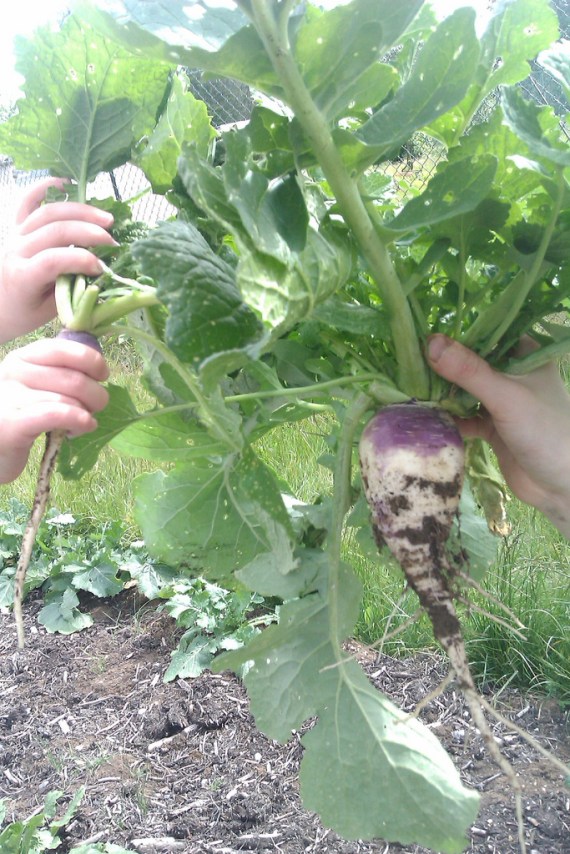
Turnips (Brassica rapa var. rapa)

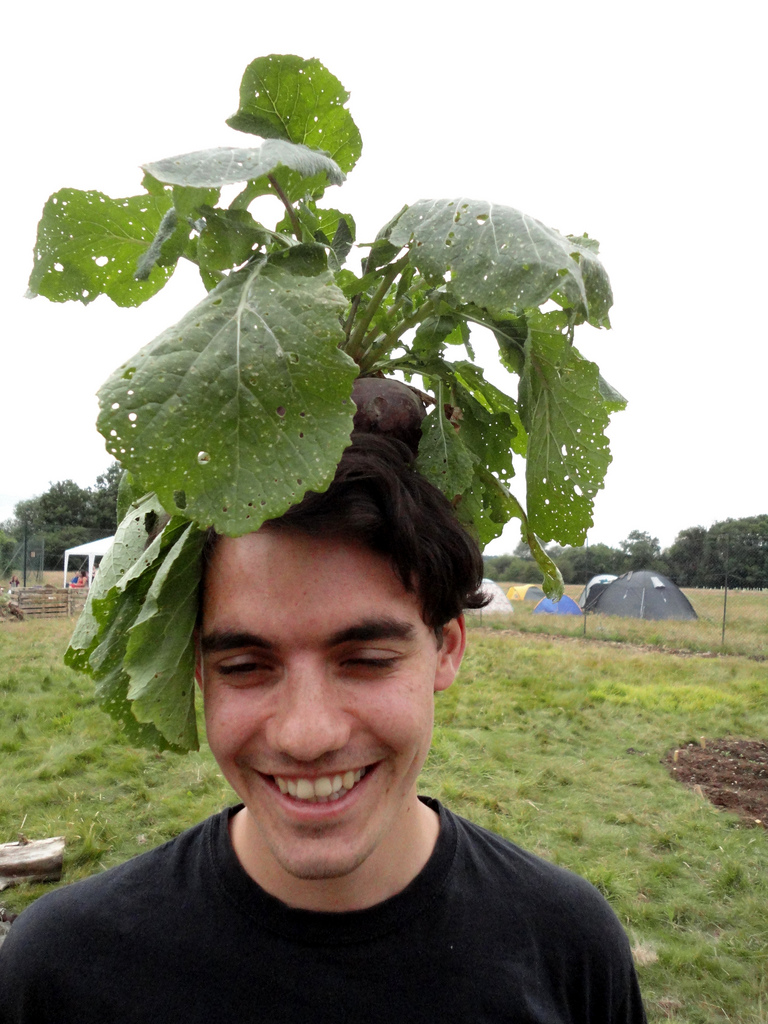
Although admittedly tiny by any objective standards, in our eyes at least the OxGrow harvest is abundant!  The produce coming to maturity continues to grow in quantity and variety every week, each crop greeted with close attention and anticipation by all of us on hand.  Last Sunday we picked a bountiful crop of two varieties of turnip that were taken home by volunteers.  The excitable state brought on in us by the small quantities of this humble vegetable that have sprung up from our beds lead us to reflect on the transformative power of growing for yourself.  The turnip, transported by the truckload, relegated to animal fodder, disliked by children, and given short shrift on supermarket shelves, becomes an object of fascination as we observe it closely and discuss the deep purple colouration of its skin and the size and shape of each individual root.  As with the radish harvest of a few weeks ago, even the leaves do not escape our attentions as we discuss the merits of turnip-leaf soup.  A quick visit to the Wikipedia page on turnips (which is truly fascinating, take a look) reveals that indeed turnip greens are a common side dish in the southeastern United States, resembling mustard greens in flavour.  We also learn that turnips are purple only in those parts that have been hit by sunlight during their growth period and that the 7th Century Greek poet Sappho called one of her lovers ‘Turnip’, substantiating the European origins of the vegetable.  Agricultural knowledge for the masses.

To prove that we’re no Luddites we also started tweeting this week.  We’re going to use twitter to complement our blog, emails and old-fashioned word of mouth to let people know what’s going on at the upcoming work parties, report back on news and link to things that we like.  Follow OxGrow: http://twitter.com/#!/OxGrow

Julian

We came, we saw, we planted

After last week’s epic bed expansion, this week ‘s session called for much needed consolidation. Between the mypex, the second huge triangular bed in the far right of the plot, another sizeable raised bed to the near left, and a couple of other new acquisitions, we had a lot of ground to cover. In short, we set our eager volunteers to preparing the ground for a shed load of planting and tilling.

Into the mypex (the huge, black, weed-suppressing ground-cover courtesy of local mentor John Letts) we continued planting squashes, courgettes, and cucumbers – varieties especially suited to the mypex, given their tendency to spread wide while only needing one relatively small point of contact with the soil.

Into the second of our triangle beds on the far right we planted the much anticipated red-kernelled variety of corn called ‘Bloody Butcher’! This was far and away the most labour intensive job of the day, but no match for Sunday’s work crew, who tilled the compact ground and planted the corn into neat (and I might add, exceedingly neat) rows.

The near left bed we have now devoted to alliums (onions, garlic, leeks, etc.) after a previous crop in that bed had sadly failed to show. We also had a kind donation this week from one regular volunteer, May: a couple of tomato plants, already started off and ready to plant. Our only foe this week was the wind which – apart from incessantly tousling our hair! – can also provide a real danger to newly planted seedlings. Along with the tomatoes we also took care to find sheltered spots for some chilli seedlings along the near side of the site.

Finally. it is again our pleasure to reflect not only on the sustained energy and devotion of the Oxgrow team but also on its increasing diversity. This week ages ranged from 6 to 60 (mentioning no names!) bringing Oxgrow ever closer to realising its community-wide aim – a garden for and by the people! Here’s hoping to see yet more of you down next week!

Chris